Ramen franchise brands have transformed over the past two decades from a regional Japanese comfort food concept into a global culinary and business phenomenon. Once viewed primarily as a low-cost, instant meal, ramen has evolved into a premium dining experience and a scalable franchise model. Alongside this shift, Asian restaurant franchises—particularly those originating in Japan, South Korea, Taiwan, and Southeast Asia—have experienced rapid international expansion, reshaping the global foodservice industry.
This article explores the growth of ramen brands, the dynamics driving the segment, and how Asian franchise systems are expanding globally with remarkable success.
The Rise of the Global Ramen Market
The ramen industry has grown into a massive global category spanning retail products, fast-casual dining, and premium restaurant experiences. Today, ramen is no longer confined to Asia—it is a staple in North America, Europe, and emerging markets.
The scale of the market is significant:
- The global ramen noodle market exceeded $57 billion in 2023 and is projected to reach over $90 billion by 2033.
- The broader ramen restaurant segment alone reached approximately $44.6 billion in 2024, growing at nearly 6% annually.
- Instant noodle consumption surpassed 123 billion servings globally in 2024, demonstrating the category’s massive reach.
This growth reflects both volume consumption and premiumization. While instant ramen continues to dominate in terms of units sold, restaurant-based ramen concepts are driving higher revenue and franchise growth.
Key Drivers Behind Ramen’s Growth
1. Convenience and Accessibility
Ramen’s origins as a fast, affordable meal continue to support its global popularity. Consumers value convenience, and ramen delivers:
- Quick preparation times
- Affordable price points
- Long shelf life for packaged products
Urbanization and busy lifestyles have accelerated demand for ready-to-eat meals, making ramen a natural fit for modern consumers.
2. Premiumization of the Category
One of the most important shifts in the ramen industry is the move from commodity product to premium dining experience.
Modern ramen concepts emphasize:
- Artisan broths (tonkotsu, miso, shoyu)
- High-quality proteins and toppings
- Authentic preparation techniques
- Chef-driven menu innovation
Consumers are increasingly seeking “authentic and elevated” ramen experiences, particularly in Western markets.
This premium positioning has allowed ramen brands to command higher average tickets and compete with fast-casual and full-service dining concepts.
3. Globalization of Asian Cuisine
The growth of ramen is part of a larger trend: the globalization of Asian food.
Several factors have contributed:
- Increased international travel
- Cultural exports such as anime, K-pop, and Asian cinema
- Social media exposure to global cuisines
- Immigration and diaspora communities
Asian cuisine has become mainstream in Western markets, with ramen leading the charge alongside sushi, Korean BBQ, and bubble tea.
4. Health and Menu Innovation
While traditional ramen has faced criticism for sodium content, the industry has responded with innovation:
- Plant-based ramen options grew significantly in recent years
- Organic, gluten-free, and low-sodium variations
- Customizable bowls tailored to dietary preferences
These adaptations are expanding the consumer base and aligning ramen with modern health trends.
5. Franchise-Friendly Business Model
Ramen concepts lend themselves well to franchising due to:
- Relatively simple menus (focused SKUs)
- Scalable kitchen operations
- Strong brand identity
- Repeat customer demand
This operational efficiency makes ramen an attractive category for franchise expansion.
The Evolution of Ramen Restaurant Concepts
Ramen restaurants have evolved into several distinct formats:
1. Fast-Casual Ramen
Efficient, streamlined operations with quick service and moderate pricing.
2. Premium Ramen Bars
Chef-driven concepts emphasizing authenticity and experience.
3. Hybrid Concepts
Ramen combined with other Asian offerings (bao, rice bowls, sushi).
4. Ghost Kitchens and Delivery Models
Digital-first brands capitalizing on off-premise dining trends.
These formats allow ramen brands to adapt to different markets and real estate environments, further supporting global scalability.
Leading Ramen Franchise Brands
JINYA Ramen Bar (Japan / USA)
JINYA has become one of the most recognizable ramen brands in North America. Known for its rich broths and contemporary atmosphere, the brand has successfully positioned itself in the premium fast-casual segment.
Key strengths:
- Consistent product quality
- Strong brand identity
- Franchise-friendly systems
JINYA’s growth reflects the broader demand for upscale ramen experiences in Western markets.
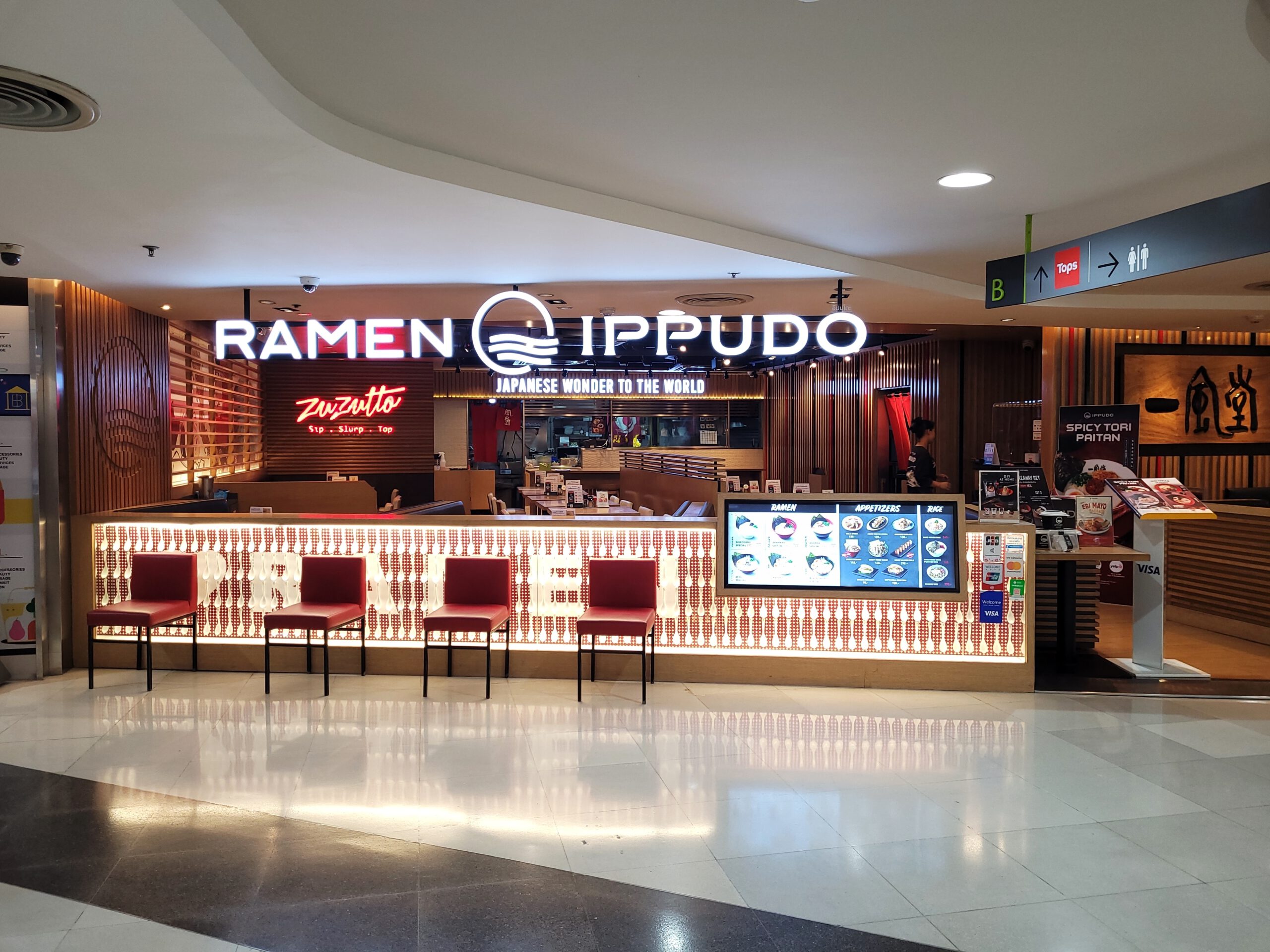
Ippudo (Japan)
Founded in Japan, Ippudo is a global ramen powerhouse with locations across Asia, the U.S., and Europe.
Key strengths:
- Deep heritage and authenticity
- Strong training systems
- High brand recognition
Ippudo’s success demonstrates how traditional Japanese brands can scale internationally while maintaining authenticity.
Ichiran (Japan)
Ichiran is known for its unique dining experience, including individual booths and a focus on tonkotsu ramen.
Key strengths:
- Highly differentiated customer experience
- Strong operational consistency
- Cult-like brand following
Ichiran’s model highlights the importance of experience-driven dining in the ramen category.
Marugame Udon (Japan)
While technically focused on udon, Marugame represents the broader success of Japanese noodle concepts.
Key strengths:
- High-volume production model
- Open-kitchen format
- Global scalability
The brand’s rapid international expansion provides a blueprint for ramen franchises.
Ajisen Ramen (Japan / China)
Ajisen has built a massive presence across China and Asia, with hundreds of locations.
Key strengths:
- Large-scale franchising infrastructure
- Adaptation to local tastes
- Strong supply chain
Ajisen demonstrates how ramen brands can achieve scale through localization.
The Role of Asian Franchise Systems in Global Expansion
Ramen is just one part of a much larger trend: the rapid globalization of Asian franchise brands.
South Korean Brands
Korean food has experienced explosive global growth, driven by cultural exports such as K-pop and film.
Example:
- Nongshim (Shin Ramyun) has seen international sales surge, with nearly 60% of revenue coming from overseas markets.
Korean fried chicken, BBQ, and noodle brands are expanding aggressively into the U.S. and Europe.
Taiwanese Concepts
Taiwan has produced some of the most successful global franchise brands:
- Din Tai Fung (dumplings)
- Gong Cha (bubble tea)
- Tiger Sugar (desserts)
These brands emphasize:
- High-quality ingredients
- Strong branding
- Operational consistency
Japanese Franchise Systems
Japan remains the leader in exporting restaurant concepts, including:
- Ramen (Ippudo, Ichiran, Yoko San Ramen)
- Sushi (Genki Sushi, Sushiro)
- Curry (Nippon Curry)
Japanese brands benefit from:
- Strong culinary reputation
- Process-driven operations
- High levels of quality control
Southeast Asian Brands
Countries like Thailand, Vietnam, and Singapore are also producing scalable franchise concepts:
- Thai street food brands
- Vietnamese pho chains
- Singaporean hawker-style concepts
These brands often succeed due to bold flavors and affordability.
Why Asian Franchises Are Thriving Globally
1. Strong Cultural Identity
Asian brands bring authenticity and storytelling, which resonate with consumers seeking unique dining experiences.
2. Operational Efficiency
Many Asian restaurant models are designed for:
- High throughput
- Standardized preparation
- Efficient labor usage
This makes them ideal for franchising.
3. Menu Flexibility
Asian cuisine allows for:
- Customization
- Fusion concepts
- Adaptation to local tastes
Localization is a key driver of international success.
4. Social Media Appeal
Visually appealing dishes—such as ramen bowls, boba drinks, and Korean BBQ—perform well on social media, driving organic marketing.
5. Scalability Through Supply Chains
Large Asian brands invest heavily in global supply chains, ensuring consistency across markets.
The Intersection of Ramen and Franchising
Ramen brands are uniquely positioned within the broader Asian franchise ecosystem.
They combine:
- The comfort food appeal of noodles
- The premium dining experience of chef-driven concepts
- The scalability of fast-casual operations
This combination has made ramen one of the most attractive segments for franchise development.
Challenges Facing the Ramen Franchise Segment
Despite its growth, the ramen category faces several challenges:
1. Health Perceptions
High sodium content and processed ingredients remain concerns for some consumers.
2. Operational Complexity
Authentic ramen preparation can be labor-intensive, particularly for premium concepts.
3. Competition
The market is becoming increasingly crowded with both independent operators and franchise brands.
4. Localization Risks
Balancing authenticity with local preferences can be challenging for international expansion.
The Future of Ramen and Asian Franchising
The outlook for ramen brands and Asian franchise systems remains extremely positive.
Key trends shaping the future include:
1. Continued Global Expansion
Western markets are still underpenetrated compared to Asia, offering significant growth opportunities.
2. Digital Integration
Online ordering, delivery platforms, and ghost kitchens will play a larger role.
3. Premium and Experiential Dining
Consumers will continue to seek unique, high-quality dining experiences.
4. Health-Focused Innovation
Expect more plant-based, organic, and functional ramen offerings.
5. Cross-Category Expansion
Ramen brands may expand into adjacent categories such as:
- Retail packaged goods
- Meal kits
- Consumer packaged foods
Ramen has evolved from a simple, affordable meal into a global culinary and franchise powerhouse. With a market approaching $90 billion and growing steadily, the category reflects broader trends in convenience, premiumization, and the globalization of Asian cuisine.
At the same time, Asian franchise systems—from Japan to South Korea to Taiwan—are reshaping the global restaurant industry. These brands combine strong cultural identity, operational efficiency, and scalable business models, making them highly attractive for international expansion.
Ramen sits at the center of this movement. As both a product and a dining experience, it captures the essence of what makes Asian franchises successful: authenticity, adaptability, and universal appeal.
For entrepreneurs, investors, and franchise developers, the ramen segment—and the broader Asian franchise market—represents one of the most compelling growth opportunities in the global foodservice industry today.
For more information on how to Franchise Your Ramen Business in the U.S., contact Franchise Marketing Systems.
To Franchise Your Ramen business in Asia, contact Franchise Marketing Systems Asia.