
European franchising continues to create powerful opportunities for international franchise growth, localization, and culturally adaptive business expansion across Europe.
My name is Emmet O’Brien. I have been there, an entrepreneur, a startup businessman, and a franchisor of my own brand. I’ve franchised my business in Europe, the U.S., the Middle East, Australia, and other markets, and navigated firsthand the questions of how to approach opportunities and how to move through the franchise landscape. Europe represents one of the most compelling opportunities in the global franchise market today. While many entrepreneurs initially look to the United States or domestic regional growth as their primary expansion path, Europe offers something uniquely valuable: the ability to scale a brand across multiple economies, languages, cultures, and consumer segments within a relatively connected geographic marketplace.
For franchise brands with a strong operational foundation and a flexible business model, Europe is not simply an expansion destination. It is a strategic growth platform capable of accelerating brand value, diversifying revenue streams, and creating long-term international stability.
What makes franchising throughout Europe especially powerful is the cultural diversity that exists between markets. Rather than viewing these differences as barriers, successful franchisors understand how to transform diversity into a competitive advantage. The ability to adapt a brand to local preferences while maintaining a consistent operating system is what separates strong international franchise systems from those that struggle abroad.
Over the past decade, European franchising has evolved dramatically. Consumers throughout the continent are increasingly receptive to global brands, digital commerce has created greater market accessibility, and entrepreneurs across Europe are actively seeking proven franchise opportunities that provide operational systems, marketing support, and scalable business models. For franchisors prepared to think strategically, Europe offers extraordinary opportunities.
Europe Is Not One Market
One of the first lessons any franchisor must understand is that Europe should never be approached as a single homogeneous market. Although the European Union has created greater economic alignment and simplified certain regulatory structures, consumer behavior remains highly localized. Read more from FMS Europe on the unique opportunities in European franchising and how to navigate with an appropriate franchise strategy.
The buying habits of customers in Germany differ dramatically from those in Spain. Scandinavian consumers prioritize sustainability and operational transparency. French consumers often value premium positioning and brand heritage. Italian markets may prioritize personal relationships and localized customer experience. Eastern European markets frequently demonstrate strong entrepreneurial ambition and rapid growth potential, while the United Kingdom often serves as a gateway market for English-speaking franchise expansion.
This diversity creates complexity, but it also creates resilience. A franchise brand operating across multiple European territories is less dependent on any single economy or market condition. Seasonal shifts, economic fluctuations, and consumer trends vary between countries, allowing diversified franchise systems to maintain more stable overall growth. For franchisors, this means that expansion throughout Europe can create a balanced international portfolio rather than concentrating risk in one region.
Cultural Diversity Creates Consumer Opportunity
One of the most exciting aspects of European franchising is the opportunity to tailor a business model to distinct cultural preferences while preserving the brand’s core identity. The strongest franchise systems understand which elements of their brand must remain consistent and which elements can be localized.
For example, a restaurant franchise may maintain identical branding, operating systems, training procedures, and customer service standards across all markets while adapting menu items to local tastes. A fitness brand may maintain the same membership structure and technology platform but customize marketing messages to align with local wellness trends. A retail franchise may standardize store layouts while adjusting product offerings to regional buying behavior.
Localization is not a weakness in franchising. It is a strength. Read more on the value of diversity in a franchise system and how it adds valuation, perspective, and brand power.
Consumers throughout Europe appreciate brands that respect local culture rather than attempting to impose a rigid international identity. Franchisors that embrace local language marketing, regional partnerships, and culturally aware branding often outperform competitors that attempt a one-size-fits-all expansion strategy. The goal is not to change the brand. The goal is to make the brand feel naturally integrated into each market it enters.
Multi-Language Franchise Systems Create Scale
One of the most underestimated opportunities in European franchising is the ability to build multi-language franchise systems that operate cohesively across borders. Modern technology has made multilingual franchise management significantly easier than it was even ten years ago. Franchise management software, AI-driven translation tools, digital learning platforms, and cloud-based communication systems now allow franchisors to deliver support across multiple countries efficiently.
A franchise system that successfully operates in English, French, German, Spanish, and Italian immediately expands its market potential across hundreds of millions of consumers and thousands of potential franchise investors. However, language adaptation must go beyond translation alone. Training materials, operations manuals, marketing campaigns, and franchise recruitment strategies all require cultural interpretation, not simply literal conversion of words. Direct messaging styles that work in one country may feel overly aggressive or impersonal in another. Humor, branding tone, and sales approaches often require refinement to resonate locally.
Successful international franchisors invest heavily in communication infrastructure because they understand that clarity creates operational consistency. Franchisees perform best when they feel fully connected to the brand, regardless of language or geography.
Master Franchising and Area Development Opportunities
Europe also offers one of the strongest environments globally for master franchising and area development structures. Many European entrepreneurs seek the opportunity not simply to operate one franchise location, but to become regional developers responsible for expanding an entire market. Rather than building corporate infrastructure country by country, franchisors can partner with experienced local operators who understand regional regulations, consumer expectations, labor structures, and business culture. These local development partners become extensions of the franchise brand within their territory.
Countries such as Germany, France, Spain, the Netherlands, Ireland, Portugal, and Poland all present strong opportunities for regional development partnerships. In many cases, local investors are actively seeking American, British, or emerging international concepts that have proven operating systems but limited European presence. The appetite for scalable franchise opportunities throughout Europe remains extremely strong.
Regulatory Complexity Requires Strategic Planning
Of course, international franchising throughout Europe is not without challenges. Each country maintains its own legal framework, employment regulations, tax considerations, and franchise disclosure requirements. Some markets are highly franchise-friendly, while others require more extensive compliance planning.
Successful international franchisors approach European expansion methodically, conducting market feasibility studies, understanding local labor laws, protecting intellectual property rights, and developing country-specific franchise agreements before entering a market. Regulatory complexity should not discourage expansion; it should encourage strategic execution. Brands that already operate with strong operational discipline domestically are often well-positioned to expand internationally because their systems are transferable. The key is balancing standardization with flexibility.
The Rise of Entrepreneurial Demand Across Europe
Another major driver of franchise growth throughout Europe is the increasing demand for entrepreneurship combined with operational support. Many professionals throughout Europe are seeking alternatives to traditional corporate careers, and franchise ownership offers an appealing path because it combines independent business ownership with established systems, brand recognition, and ongoing support.
Post-pandemic economic shifts, digital transformation, and evolving workforce expectations have created a new generation of franchise candidates looking for scalable, flexible business opportunities. Service-based franchises, fitness brands, food concepts, education businesses, wellness services, and home-service brands are all experiencing increased interest across European markets. In many cases, European entrepreneurs are highly sophisticated operators with strong management experience and access to investment capital. They are not simply purchasing a business; they are evaluating long-term strategic partnerships. This means franchisors entering Europe must position themselves professionally, with clear systems, strong leadership, operational transparency, and scalable support infrastructure.
Sustainability and Social Responsibility Matter
One particularly important factor in European markets is the emphasis placed on sustainability and social responsibility. European consumers and business operators often evaluate brands not only on profitability, but also on environmental impact, ethical sourcing, labor practices, and long-term sustainability initiatives. Franchise systems that integrate sustainability into their operating model frequently gain stronger traction in European markets.
This does not necessarily require dramatic operational changes. Often, it involves highlighting existing sustainable practices, improving transparency, reducing waste, embracing energy efficiency, or aligning marketing messaging with socially conscious values. European consumers tend to reward brands that demonstrate authenticity and responsibility, and for franchisors, this creates an opportunity to strengthen brand identity while also improving operational efficiency.
Europe as a Gateway to Global Growth
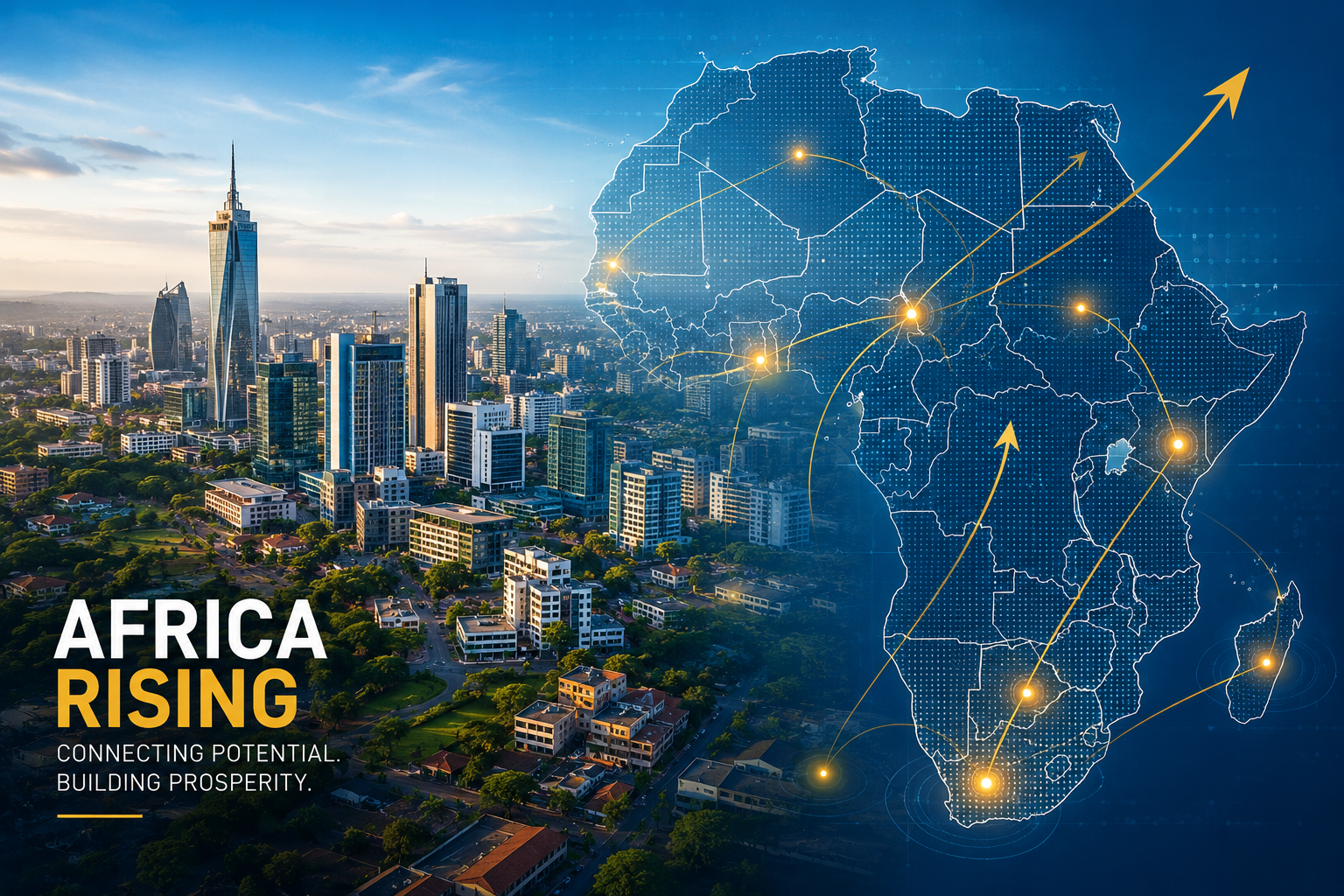
Many brands view Europe as the endpoint of international expansion. In reality, Europe often becomes the gateway to much broader global growth. A franchise system capable of operating successfully across multiple European cultures and languages develops tremendous organizational strength. The systems required to manage multilingual operations, international supply chains, cross-border marketing, and culturally adaptive support structures create a sophisticated global franchise platform. Once that infrastructure exists, expansion into the Middle East, Africa, Asia, and Latin America becomes significantly more achievable.
European expansion teaches franchisors how to think globally while operating locally, and that capability becomes one of the most valuable assets a franchise brand can possess.
The Future of European Franchising
Looking ahead, the future of franchising throughout Europe appears exceptionally strong. Technology continues to reduce operational barriers. Younger entrepreneurs are increasingly open to franchise ownership. Consumers remain attracted to recognizable brands that deliver consistency and quality. Cross-border business infrastructure continues to improve throughout much of the continent.
The franchise brands that thrive in Europe over the next decade will not be the ones that attempt to standardize every market into uniformity. They will be the brands that understand how to blend strong operational systems with local cultural intelligence. International franchising is no longer simply about exporting a business model. It is about building adaptable ecosystems capable of succeeding in diverse environments. Europe offers one of the best environments in the world to achieve that vision.
To learn more about developing a playbook to franchise your business in Europe, read more from FMS Franchise Europe on international franchise expansion.
Final Thoughts
Franchising throughout Europe presents a remarkable opportunity for growth-minded businesses willing to embrace complexity, diversity, and strategic adaptation. The continent’s mix of cultures, languages, economies, and entrepreneurial energy creates fertile ground for scalable franchise expansion. Brands that understand how to localize intelligently while maintaining operational consistency can create extraordinary long-term value.
Cultural diversity should never be viewed as an obstacle to franchising. It is one of the greatest advantages a franchise system can leverage. For brands prepared to invest in infrastructure, communication, localization, and partnership development, Europe offers not only expansion opportunity but transformation. The ability to operate successfully across multiple markets and languages strengthens the organization itself, builds resilience, and creates a globally relevant franchise platform.
In today’s increasingly connected business landscape, the franchise systems that learn how to operate across cultures will ultimately become the brands best positioned for long-term international success. And Europe remains one of the best places in the world to begin that journey.
To connect with Emmet O’Brien and discuss franchise development, find him on LinkedIn.