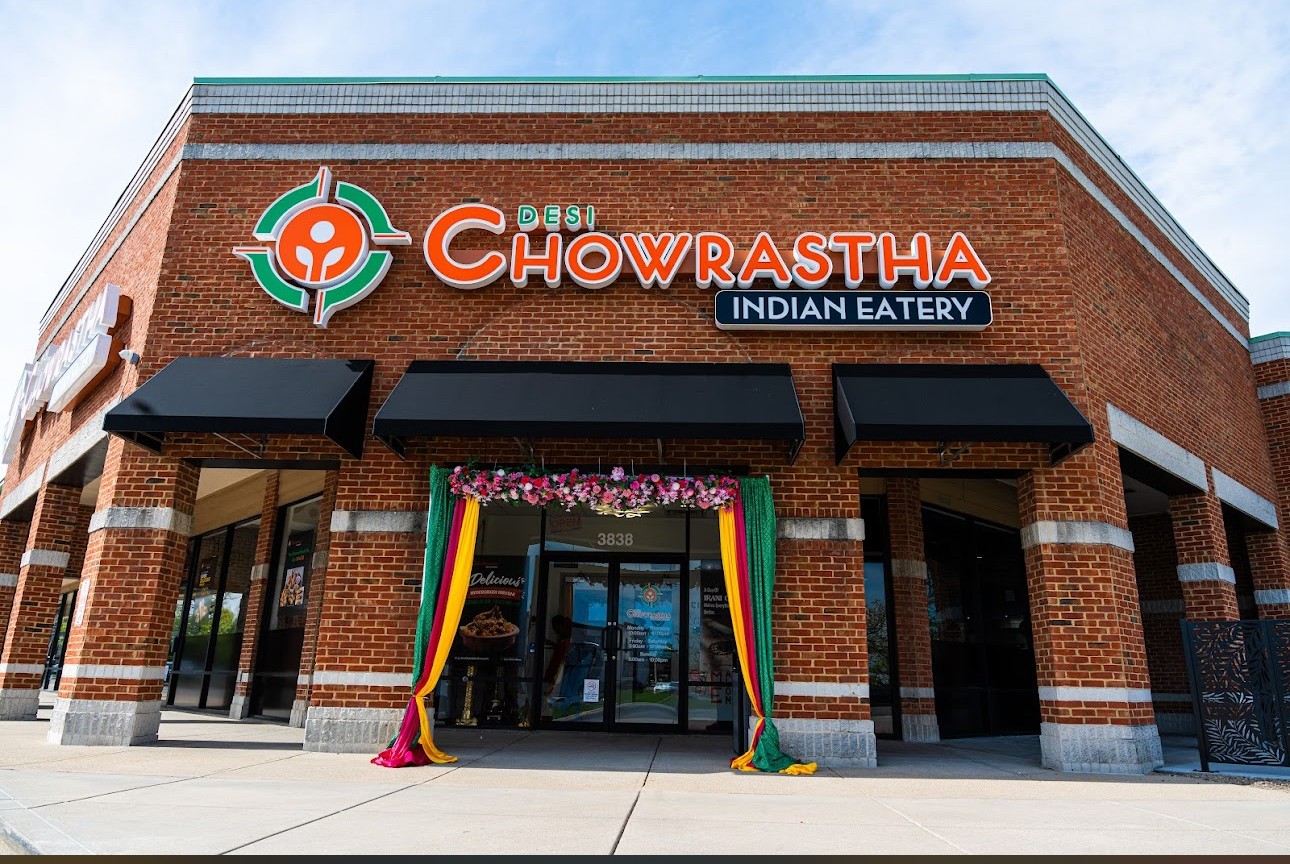
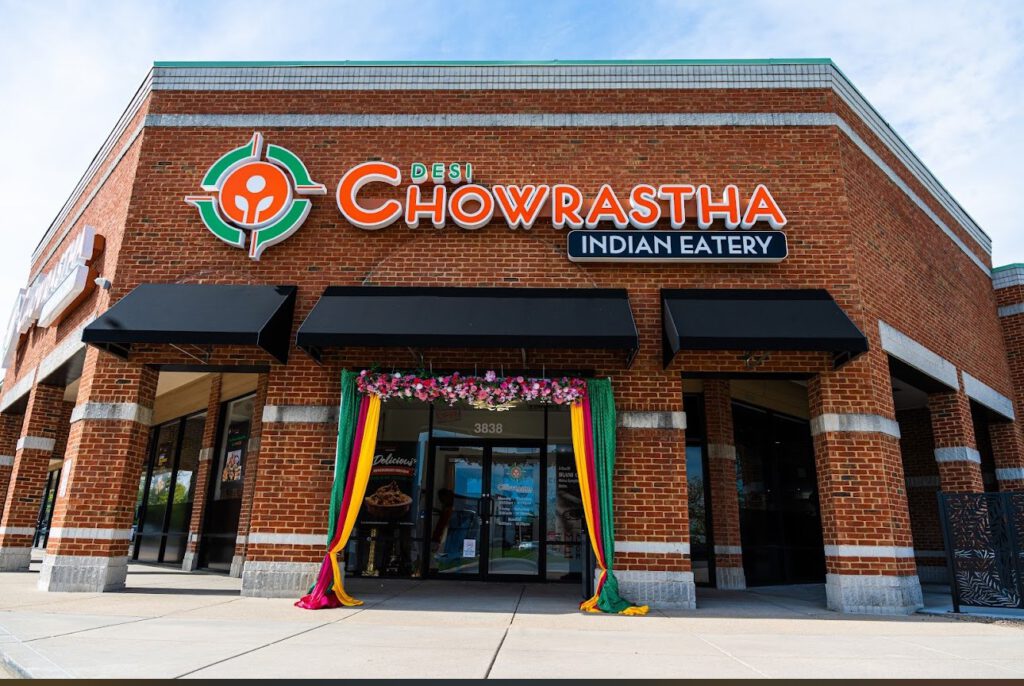
The restaurant industry in the United States has become increasingly competitive, but one category continues to experience powerful growth: authentic international cuisine concepts that connect deeply with culture, community, and experience. Among the emerging brands making a significant impact in this segment is Desi Chowrastha, a rapidly expanding South Asian restaurant franchise system that has successfully combined authentic Indian street food, groceries, halal products, and community-centred dining into a scalable franchise model.
Desi Chowrastha has quickly positioned itself as more than just a restaurant. The brand has become a cultural destination that celebrates South Asian heritage while also appealing to broader American audiences interested in authentic flavors, unique dining experiences, and international cuisine. Through strategic franchising, strong operational systems, and a highly differentiated concept, the company has expanded rapidly across multiple states and continues to build momentum within the franchise industry.
The Meaning Behind the Brand
The word “Chowrastha” refers to the intersection of four streets in India—traditionally a gathering place where people connect, socialize, shop, and celebrate culture. The founders of Desi Chowrastha built the brand around recreating that same sense of community and cultural connection within the United States. The leadership team describes its mission as creating a one-stop shop for groceries, halal meat, and restaurant dining that brings people together around food, culture, and shared experiences.
This positioning has become one of the most important drivers behind the company’s success. Rather than functioning as simply another Indian restaurant, Desi Chowrastha created a broader lifestyle and community-focused concept that resonates strongly with South Asian consumers while also introducing new audiences to authentic Indian cuisine.
The Rise of South Asian Cuisine in America
The timing of Desi Chowrastha’s growth has aligned perfectly with several larger demographic and consumer trends occurring throughout the United States. The Indian-American population has grown rapidly over the past decade, creating increasing demand for authentic Indian cuisine, regional South Asian foods, halal meat markets, specialty groceries, and community-oriented dining experiences. Read more on the growing market for Indian restaurant franchise brands.
At the same time, American consumers have generally become far more adventurous with international cuisine. Foods such as biryanis, dosas, chaats, Irani chai, and South Indian curries have become increasingly mainstream in major metropolitan areas. Desi Chowrastha capitalized on this trend by offering highly authentic street-style foods within a modern fast-casual environment.
A Unique Hybrid Business Model
One of the biggest reasons Desi Chowrastha has been successful as a franchise system is its highly differentiated hybrid business model. Unlike traditional quick-service restaurants, the concept combines South Indian quick-service restaurant operations, grocery store retail, a halal meat market, tea and café components, and a community gathering environment—functioning as a true one-stop shop for South Asian consumers.
This diversified revenue structure creates several advantages: higher average customer spend, increased visit frequency, multiple revenue streams, stronger customer retention, and greater operational flexibility. Instead of relying solely on restaurant transactions, locations generate revenue from prepared foods, grocery purchases, meat sales, beverage sales, and catering opportunities. This multi-channel approach strengthens unit economics and makes the model more resilient than many single-category restaurant concepts.
Authenticity as a Competitive Advantage
One of the most important elements of Desi Chowrastha’s success has been its commitment to authenticity. Many international restaurant chains adapt menus heavily for mainstream American audiences. Desi Chowrastha instead embraced authentic South Indian flavors and cultural presentation while still creating an approachable dining experience. The menu features biryanis, dosas, chaats, curries, Irani chai, street-style Indian foods, and regional specialties.
This authenticity has helped the company build strong loyalty within South Asian communities while simultaneously attracting adventurous food consumers looking for genuine culinary experiences. Consumers increasingly value real cultural experiences, authentic preparation, heritage-driven brands, and storytelling around food—and Desi Chowrastha successfully delivers all of these elements.
Strategic Franchise Expansion
The company has aggressively expanded through franchising across multiple U.S. markets, with current locations in Texas, Virginia, Nevada, Illinois, Arizona, Georgia, Indiana, and New Hampshire. The concentration of locations in Texas has been especially significant because of the state’s rapidly growing South Asian population and strong entrepreneurial environment. The company’s growth strategy is focused on entering high-growth suburban markets, diverse metropolitan areas, strong immigrant population centers, and markets with growing demand for international cuisine—an approach that has helped the brand build density while maintaining operational efficiency.
Why the Franchise Model Works
1. Strong Cultural Demand
The brand fills a very specific and underserved niche within the restaurant market. South Asian consumers often seek authentic ingredients, familiar flavors, community-centred experiences, and grocery access alongside dining. Desi Chowrastha delivers this in a modern and scalable format. At the same time, the broader consumer market increasingly seeks authentic global cuisine experiences, creating dual-market demand from both a core ethnic customer base and a mainstream foodie audience.
2. Multi-Revenue Business Structure
The grocery, restaurant, and halal market combination creates multiple customer touchpoints, increased traffic frequency, higher revenue per customer, and diversified operational stability—differentiating the brand meaningfully from traditional fast-casual restaurant systems.
3. Highly Recognizable Brand Identity
The concept’s branding strongly emphasizes South Asian culture, community, authenticity, and vibrant dining environments. The company’s logo and visual identity are inspired by the traditional “intersection of four streets” concept tied to Indian Chowrasthas. This storytelling creates emotional brand connection and strong cultural identity.
4. Growing Market Demand for International Fast Casual
The fast-casual restaurant sector continues shifting toward ethnic cuisine, authenticity, specialty beverages, and experience-focused dining. Consumers increasingly seek alternatives to traditional burger and pizza chains, and Desi Chowrastha benefits directly from this broader shift toward international fast-casual concepts.
5. Franchise Support Structure
The company emphasizes corporate marketing support, administrative services, operational guidance, and field-based support systems. Strong support is critical in restaurant franchising because consistency and operational execution directly impact customer experience. Learn more about what a solid franchise support model looks like in this resource on the new franchisee onboarding process.
Franchise Economics
The Desi Chowrastha franchise model is positioned as a medium-to-large investment restaurant opportunity. Estimated investment levels range from approximately $567,000 to $942,000+ depending on format and buildout requirements, with a franchise fee of approximately $75,000 and royalty fees of around 4% of gross sales. These economics position the concept competitively within the fast-casual restaurant franchise market.
The Importance of Community
One of the biggest reasons the brand has grown successfully is that it functions as more than simply a restaurant. Desi Chowrastha creates social gathering environments, cultural connection, community identity, and familiarity for immigrant populations. This emotional connection drives strong customer loyalty, word-of-mouth marketing, repeat business, and multi-generational customer relationships—factors that are just as important to long-term success as food quality.
Technology and Modern Operations
The company is also focused on modern restaurant infrastructure, including online ordering, mobile applications, loyalty programs, and digital engagement. Modern consumers increasingly expect convenience, delivery integration, digital ordering systems, and fast service—and brands that integrate technology effectively tend to scale more efficiently through franchising. Desi Chowrastha has integrated cutting-edge technology to operate its restaurants and manage the growth of the business model. Learn more about the role technology plays in building a successful franchise platform.
Challenges Ahead
Like all growing restaurant franchise systems, Desi Chowrastha will face challenges as it scales nationally, including maintaining food consistency, supply chain management, real estate selection, labor recruitment, and preserving authenticity while scaling. Restaurant franchising is operationally intensive, and maintaining quality control becomes increasingly important as unit count grows. However, brands with strong cultural identity and loyal customer bases often perform well long-term when systems are implemented properly.
The Future of the Brand
Desi Chowrastha appears positioned for continued expansion across major U.S. markets with strong South Asian populations and growing interest in international cuisine. The company’s vision of placing a Chowrastha in every city in the USA reflects ambitious national growth goals. With continued focus on operations, franchise support, brand consistency, and authenticity, it has the potential to become one of the leading South Asian fast-casual franchise brands in North America.
Desi Chowrastha has emerged as one of the more compelling franchise growth stories within the international fast-casual restaurant industry. By combining authentic South Indian cuisine, community-centred experiences, grocery retail integration, and scalable franchise systems, the company has successfully differentiated itself in a crowded restaurant marketplace. Most importantly, the brand has created more than a restaurant concept—it has built a cultural destination that resonates deeply with consumers seeking connection, familiarity, and authentic experiences.
For more information on the Desi Chowrastha franchise, visit desichowrastha.com.