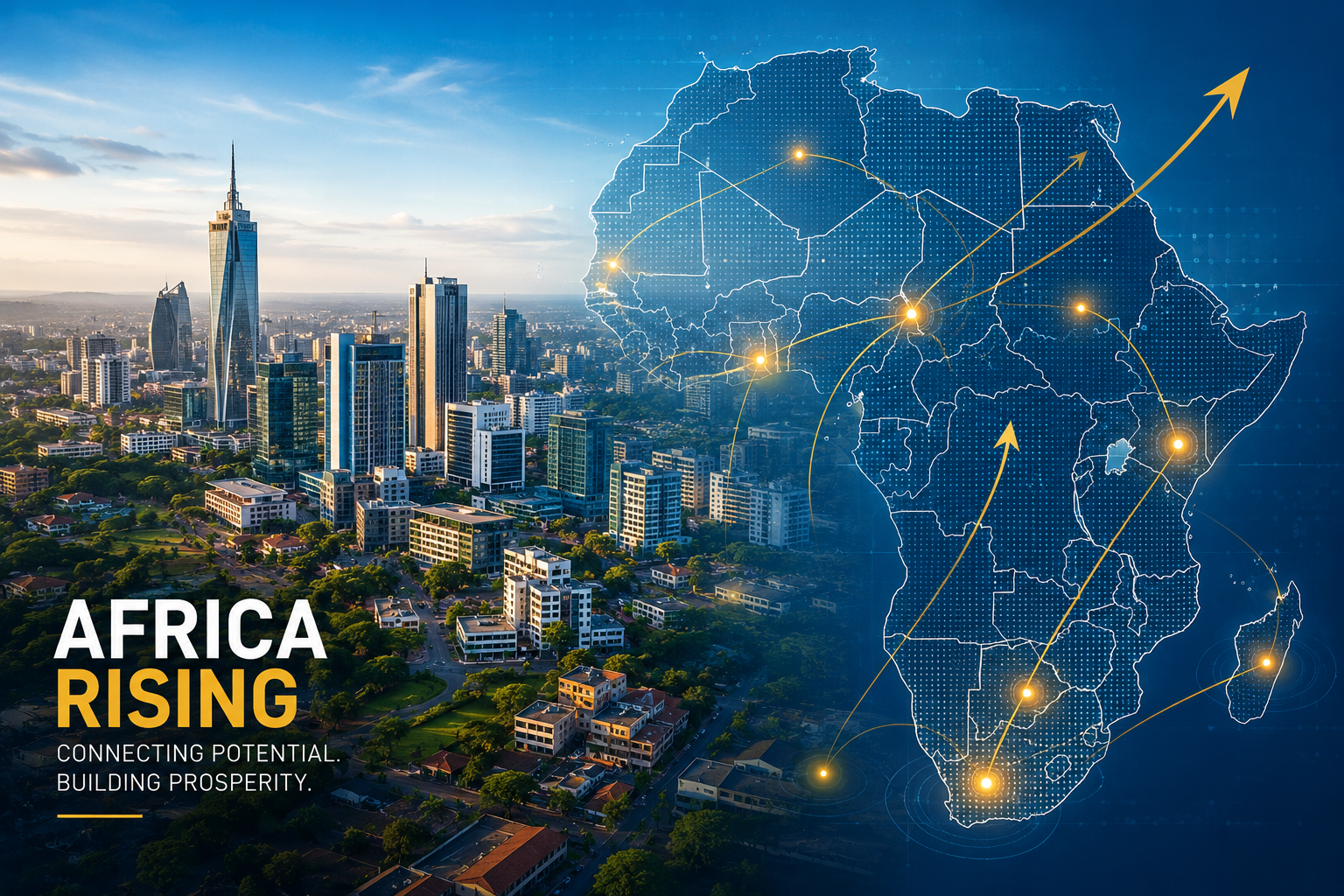
For decades, franchise development has been concentrated in mature markets such as the United States, Canada, Western Europe, and Australia. More recently, emerging markets in the Middle East, Southeast Asia, and Latin America have become increasingly attractive destinations for international franchise brands. Today, however, one region stands out as perhaps the most significant long-term growth opportunity for franchising: Franchise Growth in Africa.
This blog post explores the significant potential of Franchise Growth in Africa, emphasizing the opportunities and challenges present in the region.
Home to more than 1.5 billion people across 54 countries, Africa is experiencing rapid urbanization, population growth, expanding consumer spending, and an increasingly entrepreneurial business environment. These trends are creating exceptional opportunities for franchise brands in industries ranging from food service and fitness to education, healthcare, home services, retail, and professional services. While Africa presents unique challenges, including varying regulatory frameworks, infrastructure differences, and diverse cultural and economic conditions, it also offers one of the world’s largest untapped franchise markets. Businesses that enter thoughtfully, partner with experienced local operators, and invest in long-term relationships have the opportunity to establish market leadership as consumer demand continues to grow.
A Young and Expanding Population
Opportunities for Franchise Growth in Africa
Africa is the youngest continent in the world, with a median age of approximately 19 years. Every year, millions of young people enter the workforce, creating a growing middle class with increasing purchasing power and demand for modern products and services. Urban centers such as Lagos, Nairobi, Johannesburg, Cairo, Accra, Casablanca, Addis Ababa, Dar es Salaam, and Kigali continue to expand rapidly. These cities are becoming regional economic hubs where consumers seek international brands, consistent service standards, and professionally managed businesses. Population growth is expected to continue for decades, making Africa one of the few regions where demographic trends strongly support long-term business expansion.
Urbanization Is Driving Consumer Demand
Africa’s cities are growing faster than almost anywhere else in the world. Urban consumers generally have greater disposable income, increased exposure to international brands, and changing purchasing habits. As urban populations grow, so does demand for:
- Restaurants and cafes
- Fitness centers
- Child education programs
- Healthcare clinics
- Automotive services
- Cleaning services
- Home improvement businesses
- Retail concepts
- Professional business services
- Personal care and beauty
- Pet care services
- Logistics and delivery businesses
These are all industries that have demonstrated strong success through franchising in other regions.
Franchising Provides a Proven Growth Model
One of the greatest strengths of franchising is that it allows entrepreneurs to leverage proven systems while maintaining local ownership. This model aligns well with many African markets, where local business owners possess valuable knowledge of consumer preferences, regulations, labor markets, and cultural practices. Rather than investing significant capital to own every location directly, franchisors can partner with qualified local entrepreneurs through:
- Single-unit franchises
- Multi-unit development agreements
- Area development agreements
- Master franchise agreements
- Regional licensing partnerships
- Joint ventures
These structures enable brands to expand efficiently while benefiting from local market expertise.
Growing Middle-Class Spending
Economic development across many African nations has contributed to the expansion of middle-income households. As disposable income rises, consumers increasingly prioritize convenience, quality, branded experiences, and reliable customer service. This trend supports growth across multiple franchise sectors.
Food and Beverage: Quick-service restaurants, coffee shops, pizza concepts, bakeries, dessert brands, and healthy dining options continue to gain popularity in many urban markets.
Fitness and Wellness: Health awareness is increasing throughout Africa, creating opportunities for:
- Boutique fitness studios
- Full-service gyms
- Personal training concepts
- Wellness clinics
- Recovery services
- Nutrition businesses
The demand for preventive health and wellness services is expected to continue growing alongside urban lifestyles.
Education: Private education remains one of Africa’s strongest franchise opportunities. Potential concepts include:
- Tutoring centers
- STEM education
- Language schools
- Coding academies
- Early childhood education
- Vocational training
- Test preparation
Education is often viewed as one of the highest priorities for African families, making this a resilient sector for long-term investment.
Healthcare: Many countries are investing heavily in expanding access to healthcare. Franchise opportunities include:
- Primary care clinics
- Urgent care centers
- Diagnostic laboratories
- Dental clinics
- Physical therapy
- Home healthcare
- Medical staffing
- Pharmacy services
Healthcare franchising requires careful compliance with local licensing and healthcare regulations but offers significant growth potential.
Home and Commercial Services: As residential and commercial development accelerates, demand continues to rise for service-based businesses such as:
- Cleaning services
- Pest control
- Landscaping
- Property maintenance
- Painting
- Restoration services
- Security services
- HVAC maintenance
- Handyman services
These businesses often require relatively modest startup capital while benefiting from recurring customer relationships.
Technology Is Accelerating Growth
Africa has become a global leader in mobile technology adoption. Mobile banking, digital payments, and smartphone usage have transformed the way businesses interact with consumers. Franchise systems that leverage technology for the following are well positioned to meet evolving consumer expectations:
- Online ordering
- Appointment scheduling
- Customer relationship management (CRM)
- Loyalty programs
- Mobile payments
- Delivery services
- Marketing automation
The African Continental Free Trade Area (AfCFTA)
The African Continental Free Trade Area (AfCFTA) represents one of the world’s largest free trade initiatives by the number of participating countries. Its long-term goal is to reduce trade barriers, encourage cross-border commerce, and create a more integrated African marketplace. For franchisors, greater regional integration has the potential to simplify expansion strategies by making it easier to move goods, services, and investment across participating countries. While implementation varies by nation and continues to evolve, AfCFTA may enhance the scalability of regional franchise networks over time.
Selecting the Right Entry Markets
Africa is not a single homogeneous market. Each country has its own legal framework, economic conditions, language, culture, and consumer preferences. Successful expansion typically begins with selecting markets that align with the brand’s offering and growth objectives. Many international franchisors initially focus on countries with established commercial infrastructure, strong legal systems, and growing consumer markets, such as:
- South Africa
- Kenya
- Ghana
- Nigeria
- Morocco
- Egypt
- Botswana
- Namibia
- Mauritius
- Rwanda
Each offers distinct advantages, and market selection should be based on detailed research rather than broad regional assumptions.
The Importance of Local Partnerships
Perhaps the single greatest predictor of international franchise success is selecting the right local partner. Strong master franchisees or area developers should possess:
- Financial strength
- Operational experience
- Local market knowledge
- Leadership capabilities
- Real estate expertise
- Sales and marketing skills
- Commitment to long-term brand development
The right partner becomes the face of the brand within the country and plays a critical role in recruiting franchisees, supporting operations, and adapting marketing strategies to local conditions.
Challenges to Consider
While Africa offers tremendous opportunity, successful market entry requires thoughtful planning. Potential challenges include:
- Regulatory differences between countries
- Import duties and customs procedures
- Currency fluctuations
- Infrastructure limitations in some regions
- Supply chain complexity
- Workforce training requirements
- Intellectual property protection
- Cultural and language diversity
These challenges can be managed through careful planning, experienced legal counsel, and collaboration with local advisors and business partners.
Industries with Strong Franchise Potential
Several industries appear particularly well suited for franchise expansion across African markets:
- Quick-service restaurants
- Coffee and cafe concepts
- Fitness and wellness
- Education and tutoring
- Home services
- Healthcare
- Automotive services
- Child enrichment
- Beauty and personal care
- Senior care
- Cleaning services
- Business consulting
- Tax and accounting services
- Property management
- Hospitality
Service-based concepts with proven operating systems, strong training programs, and adaptable business models often perform especially well.
Preparing Your Brand for African Expansion
Businesses considering expansion into Africa should ensure they have:
- A proven business model with multiple successful operating locations
- A comprehensive Franchise Disclosure Document (where applicable)
- Strong operations and training manuals
- International trademark protection
- Flexible supply chain strategies
- Scalable technology platforms
- Experienced international legal counsel
- Clear master franchise or area development structures
- Ongoing franchise support capabilities
Entering a new region without robust systems can create operational challenges and damage brand reputation. Preparation is essential for sustainable international growth.
Looking Ahead
Africa is poised to become one of the most important growth regions for franchising over the coming decades. Its expanding population, youthful workforce, increasing urbanization, improving digital infrastructure, and growing consumer demand provide fertile ground for businesses that can deliver quality products and consistent customer experiences.
Success, however, will not come from simply exporting a business model developed elsewhere. It requires understanding local markets, respecting cultural differences, building strong partnerships, and investing in long-term support. Franchisors that approach Africa with patience, adaptability, and a commitment to developing local entrepreneurs can create enduring brands that benefit both their businesses and the communities they serve.
For companies ready to think globally, Africa represents more than an emerging market. It represents a strategic opportunity to participate in one of the world’s most significant economic and entrepreneurial growth stories. Those who establish a thoughtful presence today may be well positioned to become tomorrow’s market leaders across a diverse and rapidly evolving continent.
For more information on the franchise market in Africa and how to franchise your business in Africa, visit FMS Franchise Africa.